


Non-Surgical Herniated Disc Treatment in Nassau County, NY
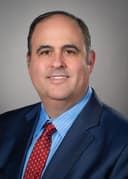
Most herniated discs do not require surgery. At his Garden City and New Hyde Park offices, Dr. Edward Rubin treats herniated discs with targeted, image-guided procedures — epidural steroid injections, transforaminal injections, and nerve root blocks — that calm the pinched-nerve pain and give the disc time to heal on its own. The large majority of patients recover without an operation.
What Is a Herniated Disc?
A herniated disc occurs when the soft, gel-like center (nucleus pulposus) of a spinal disc pushes through a tear in the tougher outer ring (annulus fibrosus). This herniation can irritate or compress nearby spinal nerves, causing pain, numbness, or weakness in the back, arms, or legs depending on the disc's location.
Herniated discs are most common in the lumbar spine (lower back) and cervical spine (neck), though they can occur in the thoracic spine as well.
Symptoms
- Sharp, shooting pain in the back or neck
- Radiating pain into the arm (cervical radiculopathy) or leg (lumbar/sciatica)
- Numbness or tingling in the arm, hand, leg, or foot
- Muscle weakness in the extremities
- Pain that worsens with bending, coughing, or sneezing
Treatment Options
Epidural Steroid Injections
Targeted anti-inflammatory medication delivered directly to the affected disc level reduces nerve inflammation and provides significant pain relief — often allowing patients to participate in physical therapy and avoid surgery.
Transforaminal Epidural Injections
A more targeted approach that delivers medication directly to the nerve root affected by the disc herniation.
Nerve Root Blocks
Diagnostic and therapeutic injections at the specific nerve root to confirm the pain source and provide relief.
Disc Procedures
For carefully selected patients, minimally invasive disc procedures such as percutaneous discectomy or ViaDisc nucleus augmentation may be appropriate.
FAQs
Do herniated discs always require surgery? No — studies show that 80-90% of patients with herniated discs improve with non-surgical treatment within 6 weeks to 3 months. See our guide to non-surgical herniated disc treatment options for the specific procedures that can help you avoid the operating room.
How long does a herniated disc take to heal? With appropriate treatment, most patients experience significant improvement within 6–12 weeks.
Can a herniated disc heal on its own? The herniated portion can resorb over time, but interventional treatment speeds recovery and provides faster pain relief.
Call 516-492-3100 to be evaluated for your herniated disc.