


Spinal Stenosis Specialist in Nassau County, NY
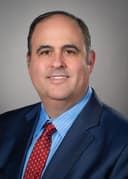
Spinal stenosis is one of the most common causes of back and leg pain in adults over 50 — and one of the most treatable without surgery. At his Garden City and New Hyde Park offices, Dr. Edward Rubin specializes in interventional, non-surgical management of both lumbar and cervical stenosis, helping patients regain mobility and function without an operation.
What Is Spinal Stenosis?
Spinal stenosis is a narrowing of the spinal canal — the hollow channel inside the vertebrae that houses the spinal cord and nerve roots. When this canal narrows, it compresses the nerves inside, causing pain, numbness, and weakness.
Stenosis develops gradually, most often from age-related changes including:
- Bone spurs (osteophytes) — extra bone growth that protrudes into the spinal canal
- Thickened ligaments — the ligaments that hold the spine together can stiffen and buckle inward over time
- Disc degeneration — worn discs lose height, causing the vertebrae to move closer together and narrow the canal
- Facet joint arthritis — arthritic facet joints enlarge and encroach on the nerve space
- Herniated discs — disc material that bulges into the spinal canal
Stenosis can occur anywhere in the spine, but is most common in the lumbar spine (lower back) and cervical spine (neck).
Lumbar Stenosis vs. Cervical Stenosis
Lumbar spinal stenosis causes:
- Low back pain that worsens with standing and walking
- Leg pain, cramping, or heaviness that forces you to stop and rest (neurogenic claudication)
- Numbness and tingling in the thighs, calves, or feet
- Weakness in the legs
- Relief when sitting, bending forward, or leaning on a shopping cart
Cervical spinal stenosis causes:
- Neck pain with or without arm pain
- Numbness, tingling, or weakness in the arms and hands
- In severe cases, difficulty with balance and fine motor coordination (myelopathy)
Common Symptoms of Spinal Stenosis
- Back or neck pain that is worse with standing, walking, or extension
- Leg or arm pain, heaviness, or cramping with activity
- Numbness or tingling in the extremities
- Weakness in the arms or legs
- Relief with sitting or flexion
- Difficulty walking long distances without stopping to rest
How Dr. Rubin Treats Spinal Stenosis
Spinal stenosis cannot be structurally reversed without surgery — but the pain and functional limitations it causes can be managed very effectively with interventional treatments. Most patients with moderate stenosis do not need surgery and do well long-term with a combination of the following:
Lumbar Epidural Steroid Injections
Corticosteroid medication is delivered into the lumbar epidural space, directly targeting the inflamed and compressed nerve roots. This reduces inflammation, relieves leg pain and claudication, and restores walking tolerance. Results typically last several months and can be repeated.
Transforaminal Epidural Injections
A more targeted approach than interlaminar epidurals, delivering medication through the neuroforamen directly to the compressed nerve root. Often used when stenosis is asymmetric or concentrated at one or two levels.
Lumbar Nerve Root Blocks
Targeted injections at individual nerve roots both confirm which level is responsible and deliver anti-inflammatory medication to the site of compression.
Cervical Epidural Steroid Injections
For cervical stenosis causing neck, arm, or hand pain, cervical epidurals reduce nerve root inflammation and restore function.
Spinal Cord Stimulation (SCS)
For patients with persistent neurogenic claudication or chronic leg pain from stenosis that does not respond adequately to injections, spinal cord stimulation modulates pain signals at the spinal cord level — providing significant, long-lasting relief without altering the spinal anatomy. SCS is particularly well-suited for patients who are not good surgical candidates.
Physical Therapy Coordination
Dr. Rubin collaborates with physical therapists to address the postural and muscular factors that worsen stenosis symptoms, including lumbar flexion exercises and core stabilization.
FAQs About Spinal Stenosis
Do I need surgery for spinal stenosis? The majority of patients with moderate lumbar or cervical stenosis do not require surgery and manage well long-term with interventional pain management. Surgery is reserved for patients with severe neurological deficits, bowel or bladder dysfunction, or failure of all conservative and interventional options.
How long does an epidural injection last for stenosis? Most patients experience 2–6 months of meaningful relief from epidural steroid injections. Some patients do very well with 2–3 injections per year and maintain good function for years without surgery.
Can walking make spinal stenosis worse? Repeated walking with symptomatic stenosis does not typically accelerate structural deterioration. However, it can worsen symptoms temporarily. Aquatic therapy and cycling (which involve lumbar flexion) are often better tolerated than walking during flares.
What is neurogenic claudication? Neurogenic claudication is the hallmark symptom of lumbar stenosis — leg pain, cramping, or weakness that comes on with walking and is relieved by sitting or bending forward. It differs from vascular claudication (which is from arterial disease) in that it is relieved by position change rather than just rest.
Is spinal cord stimulation a major procedure? SCS involves a minimally invasive implant procedure, typically done as an outpatient. It begins with a trial period (usually 5–7 days) to confirm benefit before permanent implantation.
Treating Spinal Stenosis on Long Island
For a closer look at the minimally invasive option many stenosis patients ask about, read our guide to the MILD procedure for spinal stenosis relief.
Dr. Rubin sees patients at two convenient Nassau County locations — Garden City and New Hyde Park — with procedures performed at affiliated surgical centers including NYU Long Island and Northwell Health. Call 516-492-3100 to schedule your evaluation.