


Joint pain after sports is frustrating. The ankle you rolled in a weekend soccer game, the knee that started aching during a longer run, or the shoulder that flared up after serving in tennis can keep bothering you long after the bruise or swelling fades. You might be cleared to play, but every step, swing, or jump reminds you that something still isn't right.
That is where regenerative medicine for joint pain comes in. Instead of only calming pain with pills or numbing shots, these treatments aim to support your body's own repair process inside the joint. As a pain management practice in Garden City, we work with athletes and active adults across Long Island and Queens to help them move with more comfort and confidence again.
Why Joints Hurt Long After a Sports Injury
Sports injuries are not always one big dramatic moment. Many problems build over time. Common issues we see include:
- Ligament sprains in the ankle or knee
- Tendon strains in the shoulder, elbow, hip, or Achilles tendon
- Meniscus tears inside the knee
- Cartilage wear in knees and hips
- Labral injuries in the shoulder or hip
- Overuse irritation from running, jumping, or repetitive swings
Even when you feel "better" on the surface, there can still be:
- Low-grade inflammation inside the joint
- Tiny tears in tendons or ligaments
- Rough or thinned cartilage that no longer glides smoothly
These changes can lead to:
- Ongoing pain with impact or twisting
- Morning stiffness or soreness after sitting
- A sense of weakness or instability
- Pain that flares after practices or long workouts
Fall can be a tricky time for joints. People go from a relaxed summer schedule to pickup football, fall running clubs, league soccer, and indoor sports. Colder air can stiffen joints, and many athletes push through "nagging" pain so they do not miss games. Skipping warm-ups or stretching when it is chilly outside can also strain tight muscles and tendons.
How Regenerative Medicine for Joint Pain Actually Works
Regenerative medicine for joint pain uses parts of your own blood or tissue, such as platelets and growth factors, to support natural healing. In simple terms, we draw a small amount of your blood, prepare it in a specific way, then place the concentrated portion in the area of injury. The goal is to help your body repair, not just cover up symptoms.
It fits into a larger treatment picture. Traditional options include:
- Rest and activity changes
- Bracing or taping
- Physical therapy and guided exercises
- Anti-inflammatory medications
- Cortisone injections to calm inflammation
These tools can be very helpful, especially early on. But in some people, pain comes back when activity increases again. That is often when we talk about regenerative options.
It is important to set honest expectations. Regenerative treatments are not magic and they are not instant. The goals usually include:
- Reducing pain over time
- Improving joint function and stability
- Supporting tissue healing where possible
- Helping slow or limit further joint wear in some cases
Most people should think in terms of months, not days, and view these treatments as one part of a full plan that also includes rehab, proper training, and good body mechanics.
Advanced Regenerative Options Offered by Dr. Rubin
In our practice, we focus on biologic injections for joint, tendon, and ligament problems. A common choice is platelet-rich plasma, or PRP. With PRP, we use a sample of your own blood, spin it in a special device, and concentrate the platelets. These platelets carry growth factors that can support healing in:
- Knee injuries, such as meniscus problems, early arthritis, or ligament strains
- Shoulder issues, like rotator cuff irritation or labral injuries
- Hip pain from labral tears or early cartilage wear
- Ankle sprains and lingering instability
Accuracy is key. We use image guidance, such as ultrasound or fluoroscopy, to place the injection exactly where it is needed. That might be inside a joint space, along a tendon, or near a damaged ligament. Precise placement helps us target the tissues that need the most support.
Because we are a solo practice, every evaluation, injection, and follow-up visit is done by the same physician. For active patients, that continuity often matters. You work with one person who understands your sports, your training schedule, and your long-term goals, from the first visit through your return to play.
Who Is a Good Candidate for Regenerative Joint Care
Regenerative medicine for joint pain is not only for elite athletes. Many active adults may be good candidates, including those with:
- Partial ligament or tendon tears
- Chronic sprains or repeated ankle rolls
- Early arthritis from old sports injuries
- Lingering pain after a meniscus or labral injury
- Pain that has not fully improved with rest, therapy, or standard injections
Sometimes we consider regenerative care before surgery, especially when damage is not complete or when there is still good joint structure to work with. In other situations, it may be used along with other interventional procedures, or as a step after surgery if pain remains.
There are also times when surgery or a different approach is better. For example, a fully torn ligament, very advanced arthritis, or severe structural damage may need a surgical opinion. During a visit, we typically:
- Review your imaging, such as X-rays or an MRI
- Talk through your sports history and training load
- Ask about your current pain, limits, and goals
- Look at your overall health and medications
From there, we build a plan that may mix regenerative treatments, targeted injections, and a smart rehab program.
What to Expect Before, During, and After Treatment
Before a regenerative procedure, we start with a detailed consultation. We examine your joint, review imaging, and discuss what you have already tried. We then explain the options, what the procedure involves, and what realistic outcomes might look like for your specific case.
On the day of a biologic injection, the steps often include:
- Cleaning and preparing the area
- Drawing a small amount of blood for PRP, when used
- Processing the sample in the office
- Numbing the skin to keep you as comfortable as possible
- Using ultrasound or fluoroscopy to guide the injection to the precise spot
Most visits are done on an outpatient basis. You go home the same day.
After treatment, it is normal to feel some soreness or a "full" feeling in the joint for a few days. We usually recommend:
- Short-term activity limits or modified training
- Avoiding intense impact or twisting right away
- Gradually returning to sport under guidance
- Working with physical therapy to build strength and mobility
Many patients start to notice changes over several weeks, with continued improvement over a few months as the tissue response develops. Safety is always a priority. Because these treatments use your own blood components, they are generally well tolerated, and we take care to minimize discomfort with numbing and careful technique.
For people in our area, fall and early winter can be a smart time to start this process, since it gives the joint time to settle and strengthen before spring sports and outdoor activities ramp up again.
Take the Next Step Toward Lasting Joint Relief
If joint pain is limiting your daily activities, we can help you find a clearer path forward with advanced options in regenerative medicine for joint pain tailored to your condition and goals. Dr. Edward Rubin sees patients from throughout Nassau County, Queens, and Long Island at our Garden City and New Hyde Park offices, taking the time to review your symptoms, discuss appropriate treatments, and outline a personalized plan. Call us at 516-492-3100 or text 516-206-0774 to schedule a consultation — same-week appointments are often available for new patients.
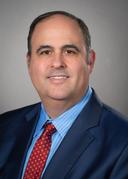
Written by Dr. Edward Rubin, MD, board-certified in Pain Medicine and Anesthesiology, with fellowship training at Cornell, Columbia, Hospital for Special Surgery, and Memorial Sloan Kettering. Dr. Rubin has been treating chronic pain patients on Long Island for over 20 years.