


Fibromyalgia Specialist in Nassau County, NY
Fibromyalgia is one of the most frustrating diagnoses to receive — not because the condition is not real, but because it is so often dismissed and undertreated. People with fibromyalgia live with pain all over the body, deep fatigue, poor sleep, and trouble thinking clearly. Many are simply told there is nothing more to offer beyond pills.
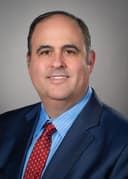
Dr. Edward Rubin takes a different approach. At his Garden City and New Hyde Park offices, he checks each patient carefully, looks for causes that can be treated, and offers targeted procedures that can lower pain — even when standard medications have not worked.
What Is Fibromyalgia?
Fibromyalgia is a long-term pain condition. It causes pain across the whole body, a turned-up sense of pain, fatigue, and sleep that does not leave you rested. The problem is in how the nervous system handles pain: the brain and spinal cord turn up the volume on pain signals far beyond what the body would normally feel.
Fibromyalgia affects about 4 million adults in the U.S. It is more common in women. It often comes alongside other conditions, including irritable bowel syndrome, migraines, anxiety, depression, and autoimmune diseases.
Common Symptoms
- Widespread pain — often aching, burning, or soreness all over the body
- Tender points — spots that hurt a lot with even light pressure
- Deep fatigue that does not get better with sleep
- Sleep that does not refresh you — waking up tired
- Trouble thinking, focusing, or remembering ("fibro fog")
- Headaches, including tension headaches and migraines
- Sensitivity to light, sound, temperature, and touch
- Irritable bowel symptoms
- Depression and anxiety (very common with fibromyalgia)
What Causes Fibromyalgia?
The exact cause is not fully known. Research points to central sensitization — when the nervous system stays over-activated and handles pain the wrong way. The brain and spinal cord turn up pain signals, and it takes less and less to trigger pain.
Triggers and contributing factors include:
- Physical trauma (especially whiplash-type injuries)
- Severe stress or PTSD
- A viral or bacterial illness
- Autoimmune conditions (lupus, rheumatoid arthritis)
- Sleep disorders
- A family history of fibromyalgia
How Dr. Rubin Treats Fibromyalgia
Dr. Rubin uses more than one tool at a time. He combines targeted procedures with medication management and physical therapy.
Ketamine Infusion Therapy
Ketamine is one of the most promising treatments for fibromyalgia and the central sensitization behind it. It works on NMDA receptors in the nervous system, which helps "reset" the way the body processes pain and can lower pain across the body. A series of infusions — usually 4 to 6 over two weeks — often brings real, lasting relief for patients who did not improve on pills.
Trigger Point Injections
Many fibromyalgia patients also have active trigger points — tight, irritable knots in the muscle that cause local pain and pain that spreads. Trigger point injections relax the muscle spasm and reduce the steady pain input that keeps the nervous system over-activated.
Occipital Nerve Blocks
Headaches are a very common part of fibromyalgia. Occipital nerve blocks give targeted relief at the base of the skull and can make headaches less frequent and less severe.
Lumbar or Cervical Epidural Injections
Some fibromyalgia patients also have a spine problem, such as disc disease or an irritated nerve root. Epidural injections calm that source of pain. Treating it often lowers overall fibromyalgia symptoms too.
Spinal Cord Stimulation (SCS)
For severe fibromyalgia that has not responded to other treatments, new evidence supports spinal cord stimulation — especially when the pain is concentrated in one region of the body.
Sleep and Medication Coordination
Dr. Rubin works with your primary care doctor and rheumatologist to fine-tune non-opioid medications (such as SNRIs, alpha-2-delta drugs like gabapentin, and low-dose naltrexone) and to fix the poor sleep that is central to fibromyalgia.
Why Fibromyalgia Patients Often Need a Pain Specialist
Primary care doctors and rheumatologists diagnose fibromyalgia, but most cannot offer the full range of procedures a pain specialist can. Dr. Rubin fills that gap. He looks for the spine, muscle, or nervous-system factors driving your symptoms and offers targeted treatments that go beyond what pills alone can do.
FAQs About Fibromyalgia
Is fibromyalgia a real condition? Yes. Fibromyalgia is a recognized medical diagnosis. Brain scans and lab research show real changes in how the body processes pain. It is not "all in your head" — though it does involve how the brain and spinal cord handle pain.
Can fibromyalgia be cured? There is no known cure, but the symptoms can be managed well. Many patients improve a lot with the right mix of treatments, and some go long stretches with few symptoms.
Is opioid therapy appropriate for fibromyalgia? Usually no. Research consistently shows opioids do not work well for fibromyalgia and can make the pain system worse over time. Dr. Rubin's approach is fully non-opioid.
How quickly does ketamine help fibromyalgia? Many patients feel better during or soon after the infusion series (usually 4 to 6 sessions over 2 weeks). The full benefit often shows up 2 to 4 weeks after the series. Booster infusions can keep the effect going.
Do I need a referral to see Dr. Rubin for fibromyalgia? No referral is needed. Dr. Rubin accepts direct appointments and works with your existing care team.
Treating Fibromyalgia on Long Island
Dr. Rubin sees patients at two convenient Nassau County locations — Garden City and New Hyde Park. Procedures are done at affiliated surgery centers, including NYU Long Island and Northwell Health. Call 516-492-3100 to schedule your evaluation.